A year-long look at the fishing scene from Alligator Point to Apalachicola.
Franklin County features some of the finest fishing in the country all year long. Here’s a month-by-month look at what’s biting.
No matter when you visit Franklin County there's always something biting. The big question is: “Where?” Naturally the best way to have fishing success is to hire a local guide who will know not only "Where?" but also "When?" and "On What?" Plus they will know the local waters which can be tricky. If you go on your own be sure to use a good chart and GO SLOW. Oyster bars teach harsh lessons. But if you can find an oyster bar on purpose then you have found a fish magnet and a great ingredient for success when fishing shallow waters (that is, not offshore). Oyster bars are one of what we call the Five Fish Magnets: oyster bars, beaches, grass beds, deep water and rivers/ creeks. We'll highlight these potential hot spots as we move through the shallow-water fishing year here on the Forgotten Coast. (A note about offshore fishing: Franklin County features a superb offshore fishery. Hiring a guide is the best way to safely enjoy this high-energy fishing experience, and there are many good guides in Franklin County. Experienced deep-water anglers know that marinas are eager to share current information.)
January
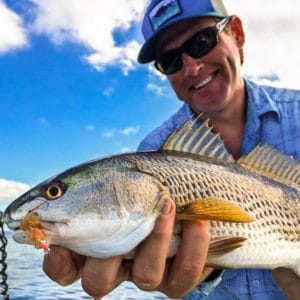
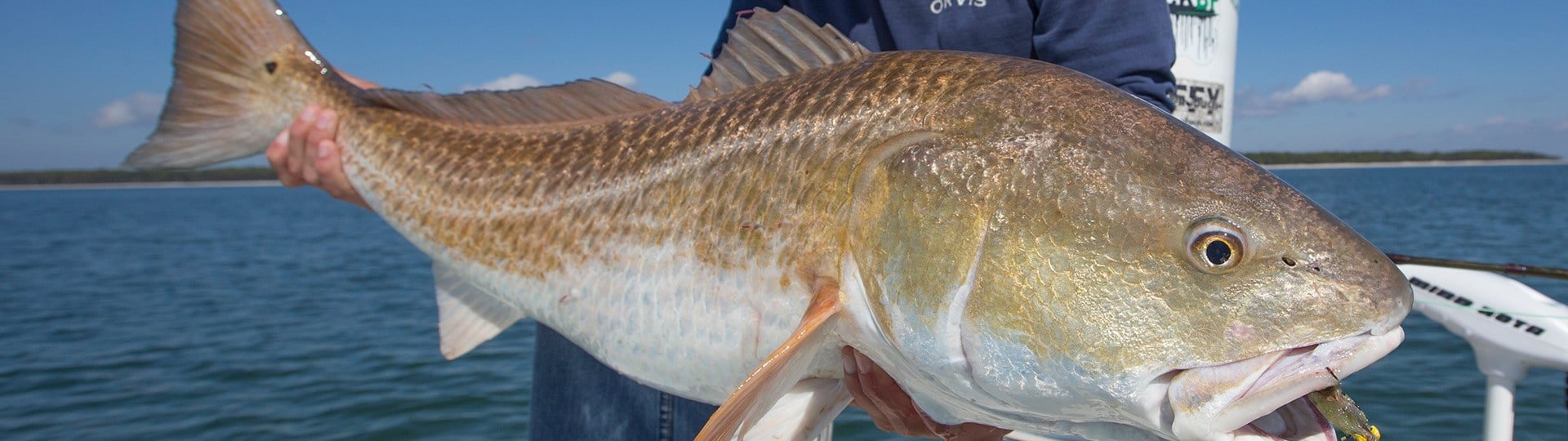
The cold start of the year finds resident fish in deep water such as Bob Sikes Cut at the far west end of St. George Island and the passes between islands. Redfish will be the most common target - sometimes huge redfish. They are found on the bottom, most likely at a tide change or shortly thereafter. A large number of resident fish seek shelter in the rivers and creeks and, again, they are usually attracted to deeper spots like turns in the river bed and points where creeks/rivers meet. Redfish are likely to be in this number but also expect trout, whiting, and flounder. The further up the rivers you go the more likely you are to find striped bass in the deeper holes (like around the railroad trestles up the Apalachicola River.)
February
The colder this month is, the more like January it is. But things have been getting warmer earlier here lately and some time this month fish will start venturing out of rivers and creeks and the first place they will be found is around the closest shallow-water oyster bars. Shallow oyster bars and deep tidal currents make fishing on the east end of St. Vincent Island, called Dry Bar and St. Vincent Bar, a good bet that will only get better as the surface water continues to warm. This is the time of year to catch monster speckled trout on top of oyster bars very early in the mornings using top-water plugs. In fact, the big fish get so shallow that many seasoned anglers get out of their beloved boats and wade the hallow bars at first light. Catch and (careful) release is important when you do hook up with one of these big girls because she's carrying the future of our fishing. Traditionally this is not a good month or beach fishing and the fish have spread out somewhat from deep holes and the grass flats haven't started growing. However, if the surf temperature gets over 65 degrees there can be whiting caught from the gulf beaches and possible early scouts of Spanish mackerel and the prized pompano.
March
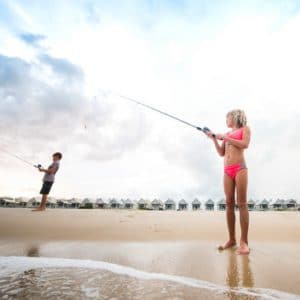
It has always been thought that March was one of the most difficult months to fish. First and foremost there is going to be wind, lots of wind most of the time. In addition there is the great anticipation that fishing will "break loose" after the winter. But generally this is a month of steady warming and improving action along the beaches, especially St. George Island and the east end of St. George Island State Park. As is the case for most of the fishing year the best action will always be in the first third of a tide change and, generally, when the tidal current is fastest. Most of the beach action will be Spanish mackerel and ladyfish on top-water plugs and spoons; pompano, mackerel and flounder on silver-headed jigs and trout and mackerel on slow-sinking twitch baits like the MirrOlure™. Whiting and flounder will be caught up very close on the beaches just behind breaking waves; sliverheaded jigs work well here, too.
April
While the winds will still be annoying, this is a month that fishing does indeed cut loose as the surf temperatures get into the 70's. This will possibly be the peak month of the pompano run with the large schools cruising down the beaches looking for mole crabs (sand fleas) that are populating the shallow surf in growing numbers. Oyster bars, both shallow and deep, especially the Dry Bar area, are attracting redfish, trout, large sail catfish, ladyfish, bluefish and, around the sandy edges of the bars, flounder.
May
If it can be caught here, it's biting in May. The sandy beaches of the barrier islands and Carrabelle become hot spots for very close-in Spanish mackerel, trout, redfish, pompano, flounder and large, sometimes VERY large, jack crevalle, bluefish and big ladyfish. The deep-water bars start showing regular patterns of early activity and fast-moving currents for meandering schools of redfish and trout and fast-moving schools of the other predators. Silver or gold spoons, retrieved slowly, bounced off the bottom if possible, are deadly. Now the grass beds come into play with the deeper beds producing better this month. Find the deeper beds with a good chart behind the barrier islands, especially the east end of Dog Island, behind the Lanark Reef, and from the bridge east behind St. George Island. All the beaches should be hopping with activity especially on fast-moving tides, especially early and late. The East End of St. George Island State Park will be a hot ticket as only twenty vehicles at a time are allowed down to this revered hot spot. The prize is always pompano but there's no lacking of hungry predators ready to pounce on a helpless bottom crawling jig or a glittering spoon gracefully falling to the sand bottom.
June, July, August
These months are pretty much sardines in a can fishing wise. And that's a good thing. By now the grass beds are high and ready to provide the best top-water action of the year. Especially famous are the grass flats around Marsh Island at the eastern end on St. George Island on the bay side. Start early and use slowly retrieved top-water plugs for trout and a faster retrieve for redfish, mackerel, bluefish and other toothy visitors. Now is the time for tarpon. Tarpon are fished in any number of ways but by far the most relished is casting large top water lures or fly fishing. Most action will be found outside river mouths, especially in East Bay, during outgoing tides. The clear water, grass beds and predictable paths following the length of the reef makes Lanark Reef, offshore of Lanark Village on Highway 98, the premier location for fly fishing for tarpon. The beaches have probably developed their summer pattern of producing edible fish like redfish, trout, mackerel and flounder either very early or very late. During the bright hours of the day most of the catch will be hardhead catfish, stingrays and ladyfish.
September
By now an important event has begun to take place, the shrimp migration. Uncounted numbers of young shrimp begin moving out from the estuary waters to the deeper bay, while large, mature shrimp are migrating out the passes to the open gulf where they will spawn. The shrimp move on an outgoing tide and the darker the better for the shrimp. From September through November these shoals of delicious prey will attract vast numbers of redfish, trout and other predators. There are many opportunities, especially at the mouths of rivers and creeks, to find redfish and trout chasing schools of shrimp into very shallow water in a feeding frenzy. As usual, follow the birds. Grass flats are still producing well this month with early and late still the ticket for best action, especially top-water. Big trout, ladyfish and jack crevalle are the usual bandits but don't be too surprised to hook into a tarpon. All oyster bars are doing their jobs of attracting fish by being outstanding habitat for crabs, shrimp, small fish and other hearty foods.
October-November
This is traditionally considered to be the best season for speckled trout. Dry Bar and all the maze of bars behind St. Vincent Island are bustling with trout looking for MirrOlures™ or a live shrimp fished two feet under a popping cork. Fish the same MirrOlures™ off the barrier island beaches very early during slack tide, especially slack high tide, for excellent trout action. A good choice would be the red and white one; clip off the middle treble hooks and bend the barbs down. Don't jerk to set the hook when the trout takes the lure (which may be very softly) but raise your rod tip and keep a tight line. Redfish can also be found on the beach now and often very close feeding just behind breaking waves and in the first wave trough. They will be attracted to any deeper areas or holes in the surf. But mainly they can be found at Bob Sikes Cut and other passes; tide changes are the most productive times. The grass flats are beginning to die off but there is plenty of action as schools of menhaden and other white bait are at their largest concentrations of the year.
December
Water temperatures will be the main determinant this month. If the surf temperature stays over 65 degrees then the beaches and shallow-water oyster bars will remain hot spots. But, as the water temperature drops more and more, fish will either leave to go south or will go up into the rivers and creeks where the January pattern prevails.
Resources
Here's a list of external websites that we think you'll find helpful.
Florida Fish & Wildlife Commission - Rules, regulations, licenses and more
Organization of Artificial Reefs - Franklin County Reef Locations
Visit Florida - State of Florida Tourism Fishing