You are here: Home >
Discover Eastpoint, Florida
If you want to take a step back in time and visit an authentic fishing community, look no further than Eastpoint, Florida. As the seafood hub of Franklin County, Eastpoint is one of the few remaining working waterfronts in North Florida. Located across the bay from Apalachicola and St. George Island, Eastpoint is a unique part of Florida’s Forgotten Coast.
Eastpoint serves as the heart of Franklin County’s commercial oyster industry. This genuine fishing community is home to rustic seafood houses and weather-worn docks, where oystermen haul their heavy burlap bags of freshly harvested Apalachicola Bay oysters to be washed, shucked, packed and transported across the country. It’s quite a sight to behold for visitors of all ages.
Things to Do in Eastpoint, Florida
If you want to savor the freshest seafood in local restaurants, watch fishing boats unload their catch or embark on your own fishing adventure, Eastpoint is the perfect vacation destination.
Freshest Seafood in North Florida
If you’re looking for the freshest seafood on Florida’s Forgotten Coast, Eastpoint is the place to be. This fishing community is home to an array of family-owned seafood markets, where you can buy the catch of the day and oysters freshly hauled out of the Apalachicola Bay. If you’d rather dine out, stop by one of the many local seafood restaurants owned and operated by families four generations deep. Eastpoint truly is a seafood lover’s paradise!
Angling Adventures Abound
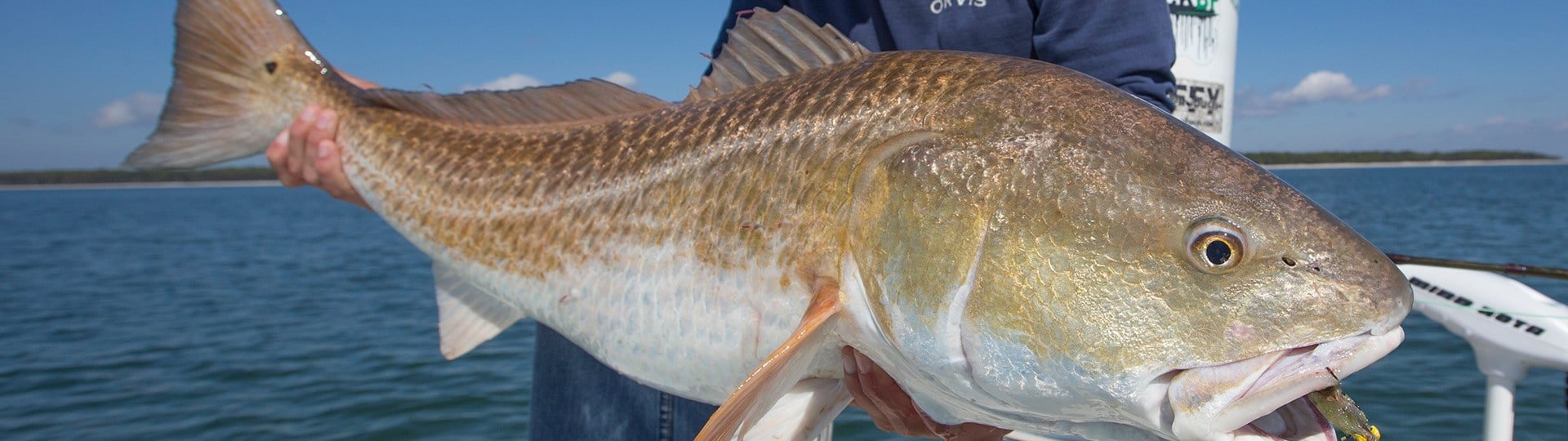
Eastpoint also offers fabulous fishing opportunities. The nutrient-rich shallow bay system just offshore serves as a thriving marine-life habitat—which means a variety of game fish are plentiful throughout the area.
Eastpoint is home to two boat ramps as well as several bait and tackle shops that stock anything and everything an angler could need. If you’re looking to fish from shore, check out the community’s popular fishing pier that parallels the bridge to St. George Island. Cast your bait along the pier pilings, and you may land a tasty sheepshead or flounder.
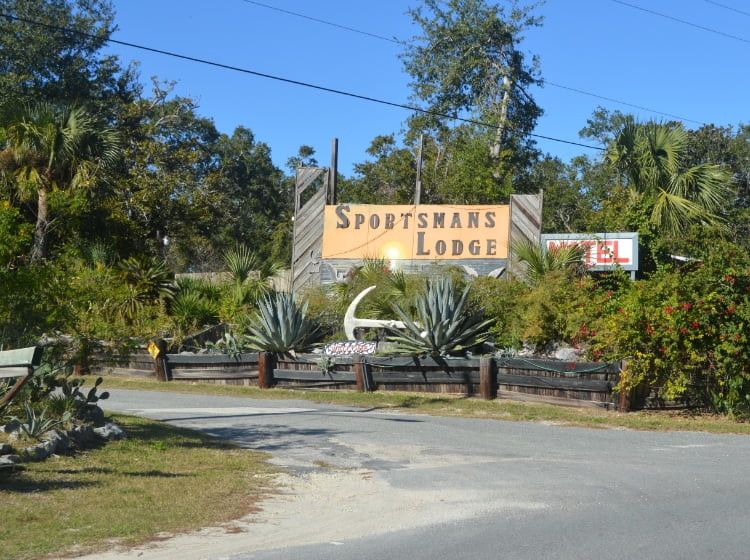
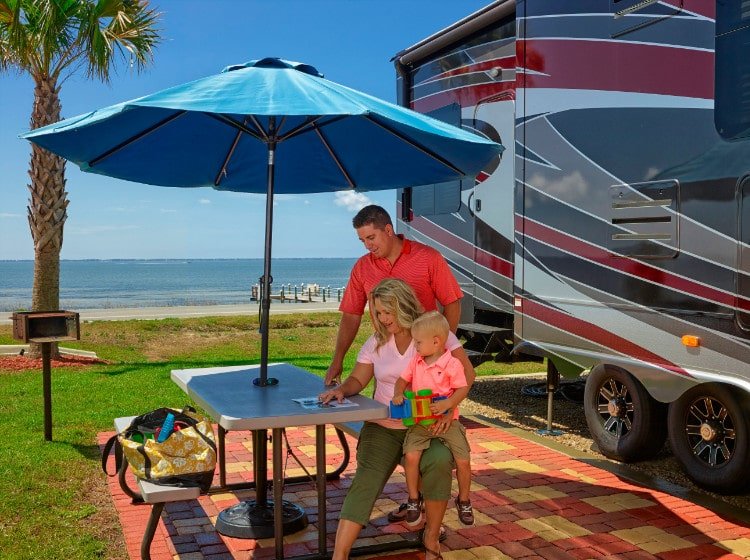
Looking for a cozy place to relax and unwind during your stay? Eastpoint features a historic fishing lodge tucked along the shores of East Bay as well as two full service RV parks.
Natural Experiences
Wildlife abounds in and around Eastpoint, Florida, making this community the ideal destination for curious kiddos and nature-lovers. Eastpoint is home to the Apalachicola National Estuarine Research Reserve (ANERR) and Visitor Center. Considered one of the state’s premier research and education facilities, the ANERR facility features a visitor center complete with fish tanks, walking trails, interactive displays and ongoing public education programs and activities.
Eastpoint also serves as a gateway to Tate’s Hell State Forest and Apalachicola National Forest, located just to the north via scenic Highway 65. These forests are teeming with wildlife and offer a variety of fun activities, from swimming and kayaking to hiking and camping.
If you’re looking for an authentic North Florida fishing community with adventures for all ages, Eastpoint is a must-see.
You are invited to relax and stay awhile in Eastpoint...
From a quiet bayside hotel to a waterfront RV Park, Eastpoint
offers a variety of places to stay. All accommodations in Franklin County, Florida
Upcoming events around Eastpoint
Discover the Forgotten Coast's authentic, Old Florida charm at more than 100 annual events and
festivals, that highlight our natural resources, culture and history. Click here to see all events

Spring Ghost Walk
Apalachicola
Plan Your Trip to Eastpoint, Florida
As the seafood hub of Franklin County, Eastpoint is one of the few remaining working waterfronts in North Florida.
Mileage from selected cities to Eastpoint:
| Atlanta, GA | 332 | Memphis, TN | 572 |
| Birmingham, AL | 328 | Miami, FL | 514 |
| Chicago, IL | 990 | Montgomery, AL | 238 |
| Columbia, SC | 460 | Nashville, TN | 518 |
| Dallas, TX | 895 | New Orleans, LA | 415 |
| Detroit, MI | 1049 | Orlando, FL | 291 |
| Houston, TX | 737 | Pensacola, FL | 224 |
| Indianapolis, IN | 806 | Panama City, FL | 65 |
| Jackson, MS | 459 | Tallahassee, FL | 70 |
| Little Rock, AR | 708 | Tampa, FL | 289 |